loader image

Advanced Epitaxy for Freestanding Membranes and 2D Materials 2026

AEFM 2026 (6th Edition) — Singapore

24–26 June 2026 | Nanyang Technological University @ one-north

Attendees
0 +
Speakers
0 +
Sessions
0 +
Workshops
0 HR
Thank you for joining us at AEFM 2026!

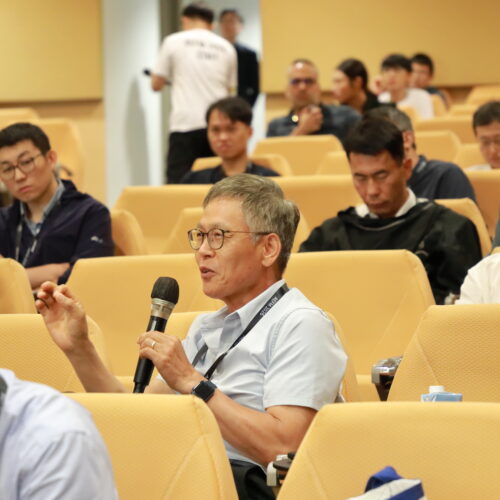
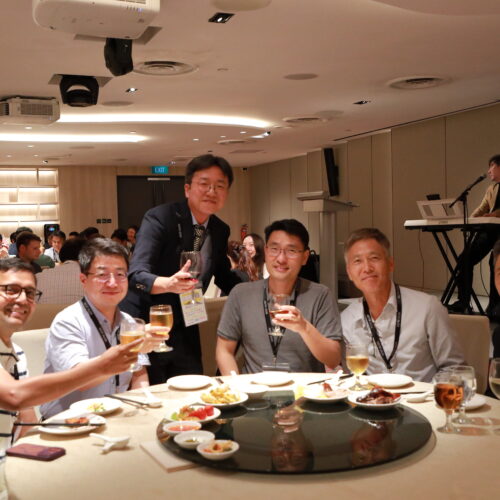
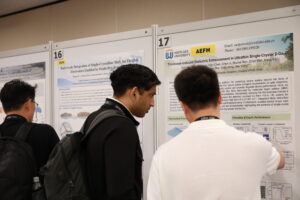
AEFM 2026 brought the community to Singapore for three days of technical exchange on advanced epitaxy, freestanding membranes, and 2D materials. Building on prior editions (virtual 2021; MIT 2022; SNU 2023; University of Tokyo 2024; CEA-Leti 2025), the conference featured four symposia:

  • Remote epitaxy and van der Waals epitaxy
  • Large-scale 2D materials: synthesis and applications
  • Freestanding membranes: applications (medical, display, energy) and lift-off techniques
  • Monolithic 3D integration

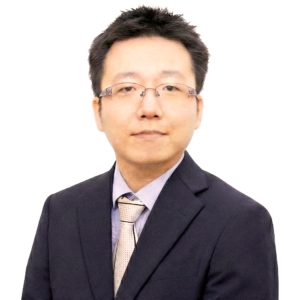
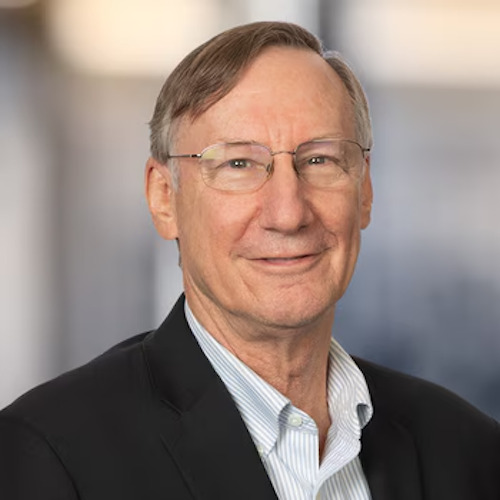
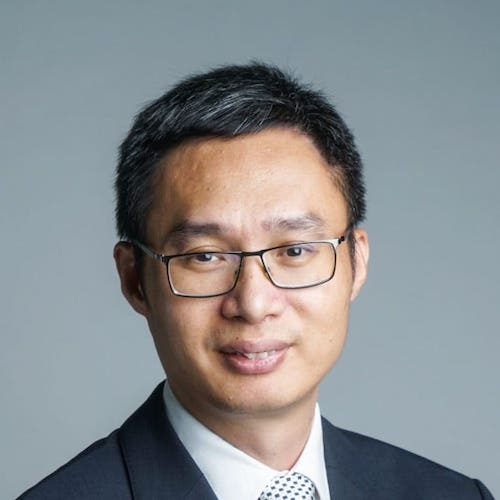
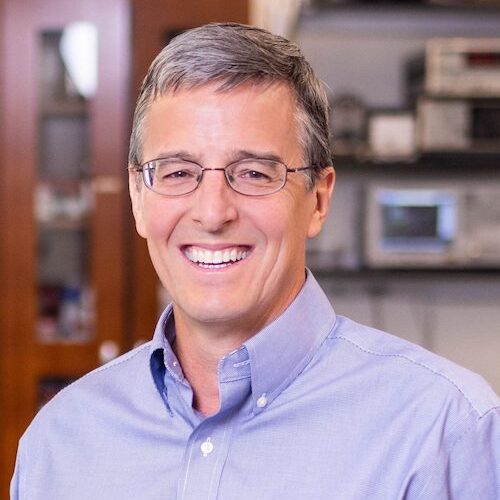
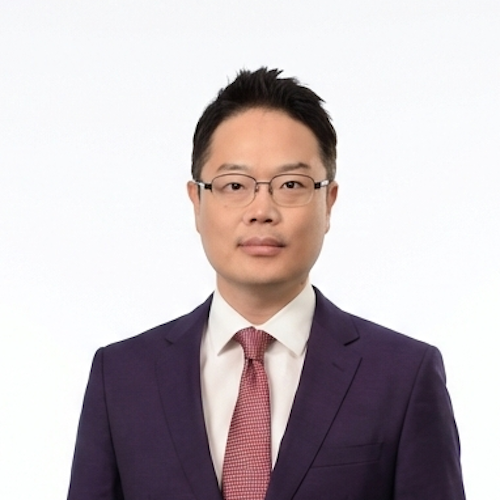
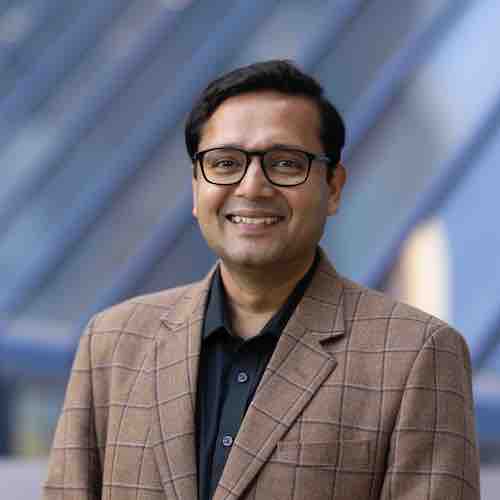
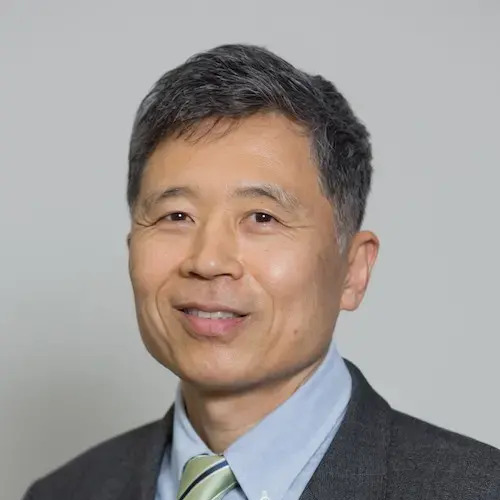
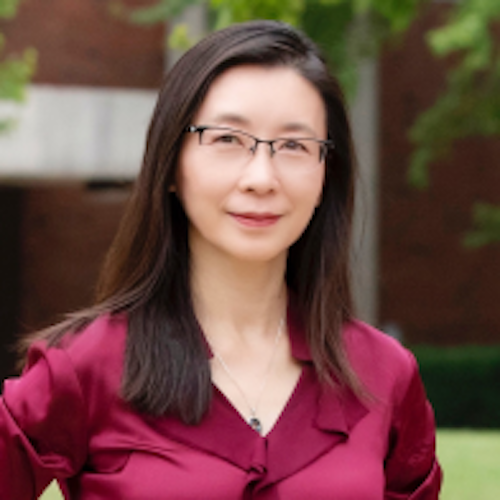
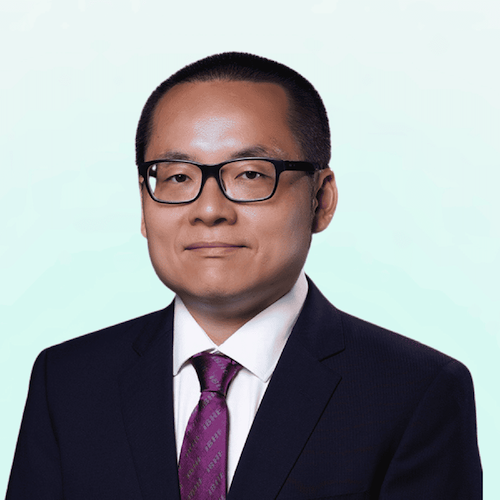
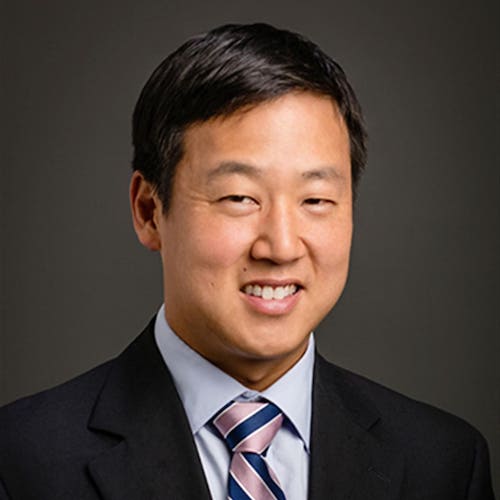
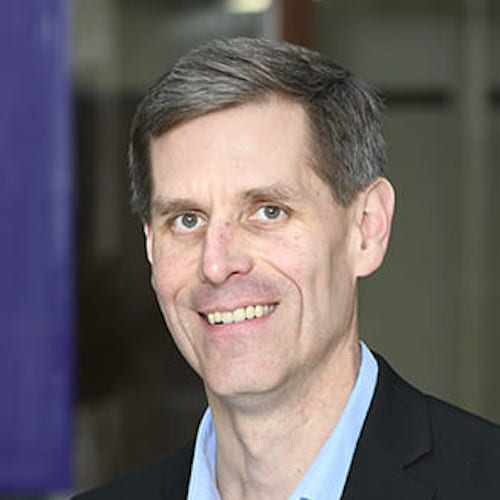
Prof. Munho Kim

Nanyang Technological University

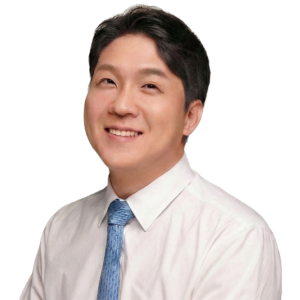
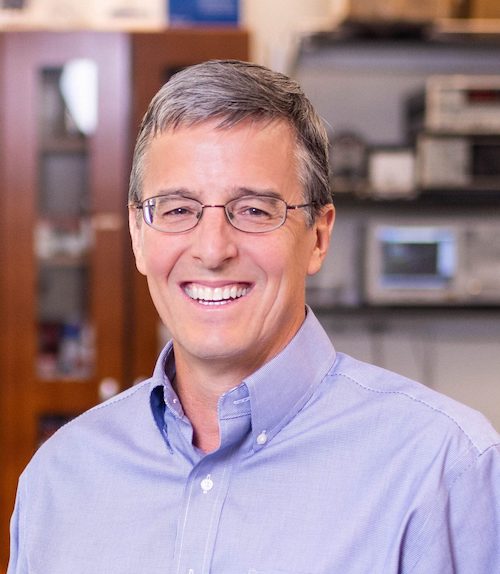
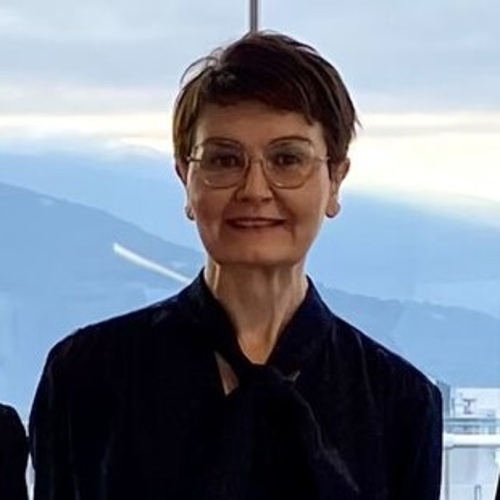
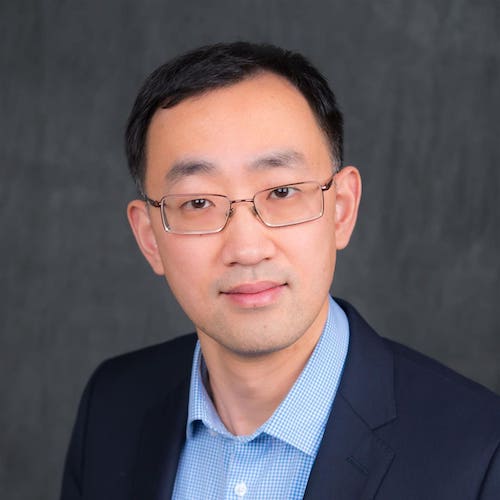
Prof. Jiho Shin

Texas A&M University
Magic is believing in yourself.

What you will get?

Visionary Speaker

Meh synth Schlitz, tempor duis single-origin coffee ea next level ethnic fingerstache.

Worldwide Events

Meh synth Schlitz, tempor duis single-origin coffee ea next level ethnic fingerstache.

Level-up Your Skills

Meh synth Schlitz, tempor duis single-origin coffee ea next level ethnic fingerstache.

Help Find Your Tribe

Meh synth Schlitz, tempor duis single-origin coffee ea next level ethnic fingerstache.

Program

3 days

Plenary Speakers

Keynote Speakers

Invited Speakers & Panelists

Speakers
  • Kyusang Lee (University of Virginia)
  • Hyun S. Kum (Yonsei University)
  • Celesta S. Chang (Seoul National University)
  • Zhiqiang Liu (Chinese Academy of Sciences)
  • Yuefeng Nie (Nanjing University)
  • Jacobo Santamaria (Universidad Complutense Madrid)
  • Daisuke Kan (Kyoto University)
  • Ke Xu (Suzhou Institute of Nano-Tech and Nano-Bionics)
  • Lei Liu (Peking University)
  • Yun Seog Lee (Seoul National University)
  • Yuuki K. Wakabayashi (NTT Basic Research Laboratories)
  • Junwoo Son (Seoul National University)
  • Takuji Maekawa (Rohm)
  • Wei Kong (Westlake University)
  • Sangho Lee (Korea Advanced Institute of Science and Technology)
  • Lai Wang (Tsinghua University)
  • Sang-Hoon Bae (Washington University)
  • Jang-Ung Park (Yonsei University)
  • Jun Min Suh (Seoul National University)
  • Jiho Shin (Texas A&M University)
  • Tongbo Wei (Chinese Academy of Science)
  • Haiding Sun (University of Science and Technology of China)
  • Chul-Ho Lee (Seoul National University)
  • Gwan-Hyoung Lee (Seoul National University)
  • Jinkyoung Yoo (Los Alamos National Lab)
  • Yu-Jung Lu (Academia Sinica)
  • Kibum Kang (Korea Advanced Institute of Science and Technology)
  • Yui Ogawa (NTT Basic Research Laboratories)
  • Xiao Renshaw Wang (Nanyang Technological University)
  • Xiangming Xu (Shanghai Institute of Microsystem And Information Technology)
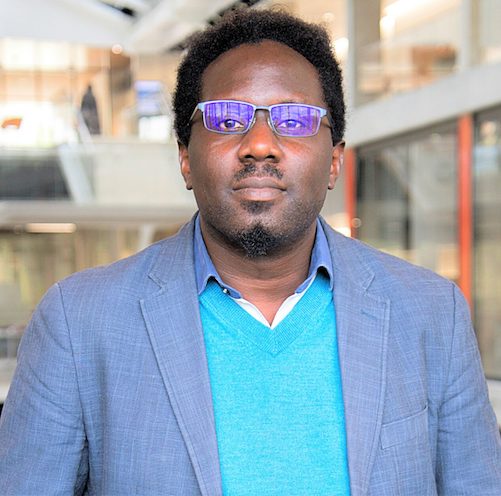
  • Stephan Hofmann (University of Cambridge)
  • Joonki Suh (Korea Advanced Institute of Science and Technology)
  • Jong-Hoon Kang (Pohang University of Science and Technology)
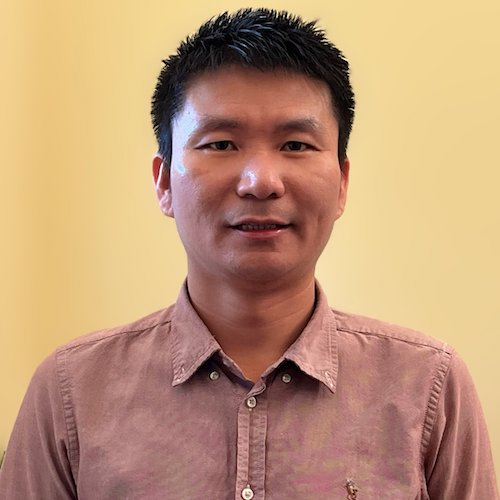
  • Haozhe Wang (Duke University)
  • Joohoon Kang (Yonsei University)
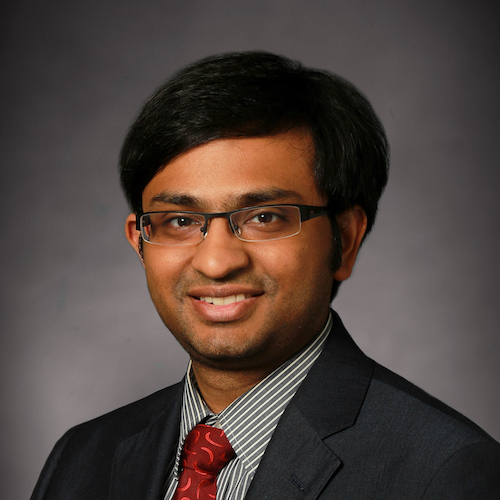
  • Nianpeng Lu (Chinese Academy of Sciences)
  • Je-Hyung Kim (Ulsan National Institute of Science and Technology)
  • Luhing Hu (Samsung Advanced Institute of Technology)
  • Salim El Kazzi  (AIXTRON)
  • Ming-Yang Li (Taiwan Semiconductor Manufacturing Company)
  • Yi Wan (National University of Singapore)
  • Matthew Parker (Nature Electronics)
  • Lu Shi (Nature Nanotechnology)
  • Noriaki Horiuchi (Nature Photonics)
  • Rachel Pei Chin Won (Nature Reviews Electrical Engineering)

Co-Organised by

Korean Scientists and Engineers Association-logo

Diamond Sponsors

Platinum Sponsors

Gold Sponsors

Our Sponsors